
Hello, Cambridge neighbours! I'm excited to share more green-minded, green-fingered ideas with you.
Enriching our lifestyles with sustainable practices is no longer a passing fancy but becoming engrained in our daily lives. One such place where sustainable living can find a natural home, quite literally, is in our gardens. Whether you take pride in calling a cosy courtyard your own, or preside over a sweeping meadowscape, everyone can partake in this green adventure - the journey to an eco-friendly garden.
My goal, as your award-winning garden designer, is to ensure that the unique beauty of our charming Cambridge and Cambridgeshire landscapes is celebrated right in your garden.
Turning a slice of your world into a vibrant ecosystem is an unfiltered joy!
Now, onto the heart of the matter - the eco-friendly materials that will form the fabric of your green garden.
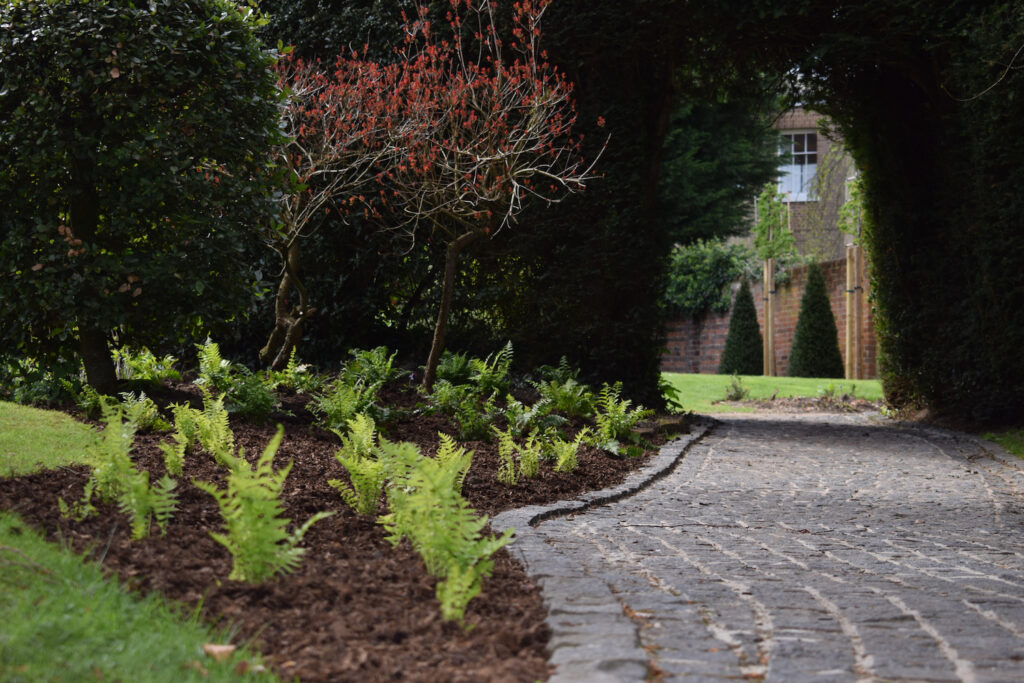
The Eco-Triad: Sustainable, Aesthetic, Durable
In the land of garden makeovers, the trifecta of a successful transformation chalks down to three core pillars - sustainability, aesthetic appeal, and durability.
Does this sound like a steep mountain to climb? Fear not! Here's a handy list of materials that are not only light on your pockets but tick the all-important eco-triad too.
Reclaimed stone and brick
Mark Twain once said, "There is no such thing as new ideas". Salvage yards are a throwback to these wise words, as they hold the potential to unearth reclaimed stone and brick.
Characterful, and imbued with a sprinkle of history, these materials personify vintage charm and sustainability in equal measure.
Recycled Metal
As sturdy as it is stylish, recycled metals like iron and steel offer great potential for garden furniture, gates, and even ornamental details.
Much like a fine wine, you'll find that these sustainably sourced materials age gracefully, endearing themselves to you for decades on end.

Recycled timbers
Using recycled timbers not only adds character to a garden design. Reclaimed timbers, if chosen well will give your designs durability and strength as well as a unique feel
Permeable Paving
Addressing the quintessential British weather in a green fashion comes in the form of permeable paving. This smart and sustainable choice – be it large stones or tiny shingles – not only impresses with its aesthetic appeal but also acts as your garden’s rain superhero, aiding water runoff effectively

Naturalistic Planting
Embracing native plants is like welcoming old friends home. Familiar to our Cambridgeshire climates, native plants require less maintenance, and have a lower eco-footprint. Plants native to Cambridgeshire include saxifrage, chamomile, fennel, oxeye daisy, the common poppy, creeping jenny, and heather.
Planting for Wildlife
Cambridgeshire is a lively habitat for many thousands of species of wildlife.
While planning your garden, the primary focus should be on compatibility with the fauna likely to explore your garden, and their priority needs.
Creating meadows is an effective strategy to welcome a multitude of butterflies, bees, and other insects. Besides acting as a source of nourishment and a native dwelling for wildlife, meadow grasses and wildflowers promise year-round captivation, vibrant hues, and joy for yourself as well.
Desire the sweet melody of birds to grace your garden? Planting shrubs or trees that are attractive to them (and their delightful caterpillars) could be the answer. Trees yielding fruits and nuts serve as a food source for birds and their offspring, and other fauna. Meanwhile, hedges offer critical sanctuary for smaller animals, along with providing privacy, noise reduction and an appealing feature for your garden space.


