
By June, our Cambridgeshire gardens feel full of promise. Roses tumble into bloom, grasses sway in warm breezes, and borders brim with life.
The hum of pollinators is constant, and long days draw us outdoors to enjoy it all. But behind this early summer abundance lies the quiet scaffolding of good garden design, the structure that holds it all together.
Now is the perfect moment to appreciate the interplay between form and freedom, the gravel paths, clipped shapes and framing trees that give definition to looser planting, creating a garden that feels wild but not unkempt.
Creating space for nature doesn’t mean giving up on style.
Some of the most evocative gardens pair sculptural, architectural elements with soft, naturalistic planting, allowing for a space that supports biodiversity and looks beautifully intentional.
Here are a few ways to bring that balance into your own garden:
Design in layers
Use trees, shrubs, perennials, groundcovers and bulbs to create depth and diversity. Wildlife benefits from this layered approach, and so does the visual impact of your garden.
Balance form with flow
Let loose planting schemes be grounded by bold shapes, perhaps a line of evergreen domes, a corten steel edge, or a rhythm of repeated perennials. These anchor points help structure wilder planting and keep the eye moving.
Celebrate the seasons
Plant with succession in mind, nectar-rich blooms now, architectural seedheads in autumn, evergreen structure through winter. Each season offers something different for both people and pollinators.
Leave a little mess
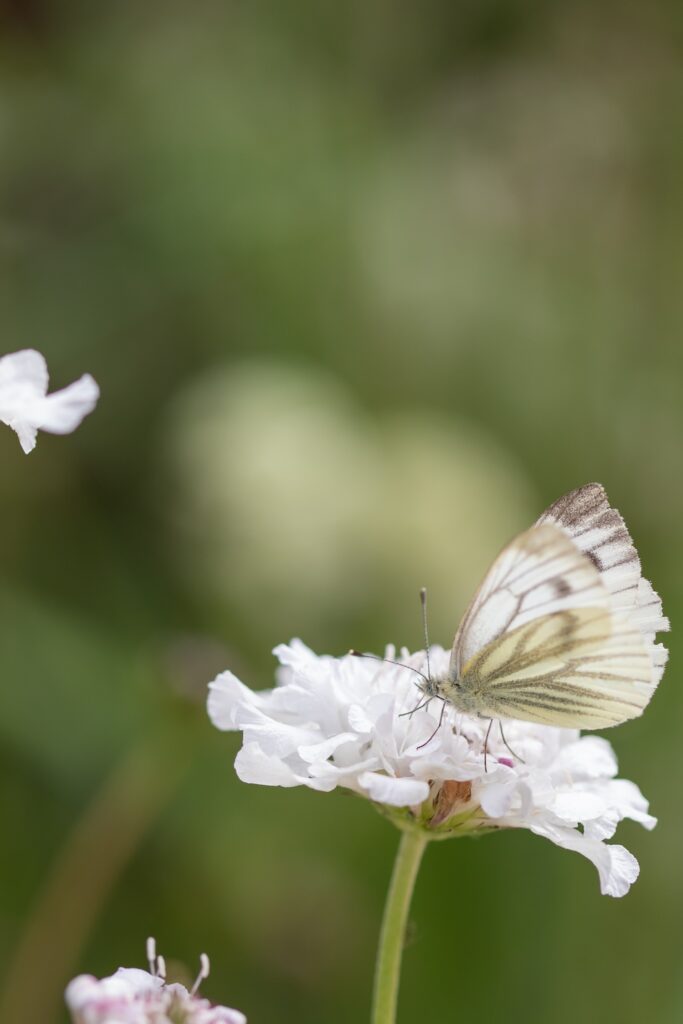
Allowing a quiet corner to go a little wild. A pile of logs, a patch of nettles, or uncut seedheads, creates invaluable habitat. Nature loves imperfection.
Choose sustainable materials
Reclaimed brick, permeable gravel or timber from local sources bring a sense of integrity while lowering your environmental footprint.
Designing with purpose means more than creating something that looks good, it’s about making space for life, human and otherwise. A thoughtfully designed garden can be a haven of calm, a celebration of nature, and a legacy for the future.
June Action List
- Deadhead roses and perennials to prolong flowering.
- Lift and divide overcrowded spring bulbs.
- Enjoy picking some of your first summer crops.
- Make sure there are water sources for the birds and insects.
- Water pots in the morning and mulch to retain moisture.
- Leave a part of the garden uncut and wild for insects and birds.
Working from his studio in the shadow of inspiring Anglesey Abbey in Cambridgeshire, RHS award winning landscape designer Tim Jennings creates stunning outdoor spaces to suit the smallest courtyard to the grandest country home.
Visit www.timjenningsdesign.co.uk or email tim@timjenningsdesign.co.uk for a personal consultation.


