
As spring turns to summer, gardens begin to brim with life. Herbaceous borders seem to stretch taller by the day, and the hedgerows around the Cambridgeshire Fens are frothy with May blossom. It is a season of renewal, colour and natural abundance. A reminder that even in the smallest Cambridge garden, we can connect with the living world around us.
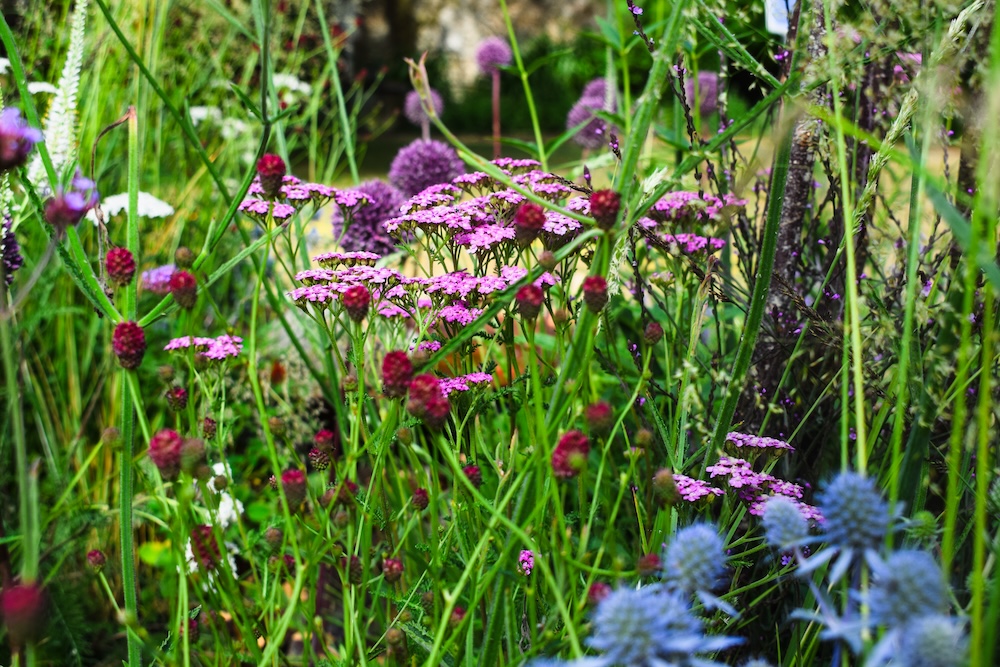
Hedgerows are more than boundary markers, they are a lifeline for birds, small mammals and insects, offering food, shelter and safe passage through our landscapes. Across Cambridge and the surrounding villages, even the simplest patches of long grass, wildflowers in the lawn and drifts of nectar rich planting can provide much needed refuge for early season pollinators like bees and butterflies when other food is scarce.
Our gardens, whatever their size or style, can play a part in supporting the planet. With a few thoughtful choices, they become places that nurture both people and nature. One simple change is to embrace more native plants. Species that are well adapted to the British climate thrive naturally in Cambridgeshire gardens, needing less watering or chemical support and proving more resilient as our weather patterns shift.
Growing from seed is another small but impactful thing to do. Many imported plants carry a hefty carbon footprint, having been raised under glass or grown abroad. By growing your own, or even swapping seeds with friends and neighbours in your Cambridge community, you will not only reduce your impact, you will also find it deeply satisfying and fun.
Trees are the quiet giants of a biodiverse garden. Even in a small space, planting something like a crab apple or Amelanchier can provide a haven for birds and insects. And while an oak may be too large for most urban gardens in Cambridge, it is humbling to know that a mature one can support over two thousand species.
Hard surfaces, too, deserve a second thought. Where possible, using permeable materials like gravel or permeable pavers allows rainwater to soak naturally into the soil, reducing runoff and keeping roots healthier in dry weather. Choosing recycled materials adds to the story of a garden. Weathered bricks, salvaged sleepers and reclaimed timbers all bring character while reducing waste across the Cambridgeshire landscape.
Every garden is a chance to tread more lightly. Small steps, taken together, can add up to something lasting.
August Action List
- Plant spring bulbs like narcissus and alliums while the soil’s still warm.
- Divide summer perennials to keep borders healthy and full.
- Collect seeds from favourite plants to sow or share next year.
- Make sure there are water sources for the birds and insects.
- Sow hardy annuals for early colour next spring.
- Leave seed heads for birds and structure, no need to over-tidy.
- Add mulch or compost to nourish soil before autumn rain sets in.
- Trim evergreen hedges, but check for wildlife first.
Tim Jennings Design is based in Ely and Lode in Cambridgeshire, and specialises in creating naturalistic gardens that support wildlife while maintaining structure, elegance, and functionality.
Working from his studio in the shadow of inspiring Anglesey Abbey in Cambridgeshire, RHS award winning landscape designer Tim Jennings creates stunning outdoor spaces to suit the smallest courtyard to the grandest country home.
Visit www.timjenningsdesign.co.uk or email tim@timjenningsdesign.co.uk for a personal consultation.


